Phone:
(701)814-6992
Physical address:
6296 Donnelly Plaza
Ratkeville, Bahamas.

Phone:
(701)814-6992
Physical address:
6296 Donnelly Plaza
Ratkeville, Bahamas.
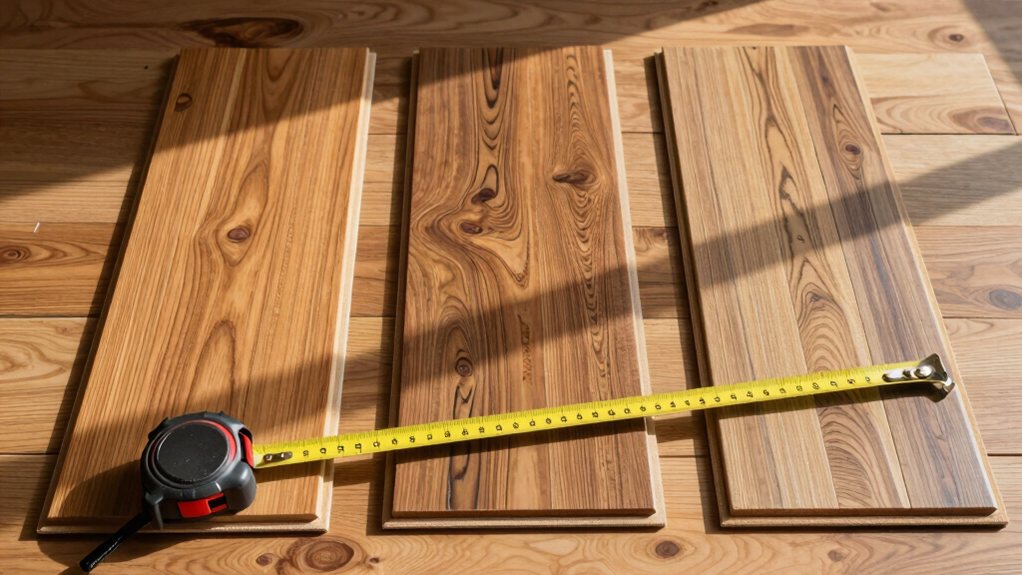
Browse the pros and cons of hardwood, LVP, and laminate flooring to discover which is the ideal fit for your home.
You’re comparing three popular floors, so here’s the quick take. Hardwood is timeless and refinishable, but it’s costly and dislikes moisture. LVP is the practical superstar—it’s waterproof, scratch-resistant, and great for busy homes. Laminate is the most budget-friendly, offering realistic looks, but keep it dry. Your best pick depends on your room’s moisture and traffic. Stick around to find the perfect match for your lifestyle.
Table of Contents
So, you’re staring at flooring options and wondering what really sets them apart? Let’s break it down.
Hardwood is real wood, solid or engineered, and can be sanded and refinished for decades of beauty. It’s a long-term investment with classic appeal. Luxury Vinyl Plank (LVP) is a synthetic, waterproof champion, perfect for messy spaces like bathrooms, and it’s incredibly durable.
Then you have Laminate Flooring, a budget-friendly trooper with a photographic layer that mimics wood or stone, great for high-traffic areas. Think of it this way: hardwood is the timeless heirloom, LVP is the practical, waterproof workhorse, and laminate is the cost-effective crowd-pleaser. Your choice depends on what you value most! Many homeowners choose luxury vinyl plank flooring for its combination of realism and waterproof performance.
To pick the perfect flooring, you’ll want to start by honestly evaluating your room’s moisture level, because a bathroom spill is very different from a bedroom spill.
Next, think about how much foot traffic the area gets, since a busy kitchen floor needs to be much tougher than a quiet guest room.
Getting this match right means your floors will look great and handle your life’s messes and chaos for years to come.
Many vinyl options feature waterproof cores and durable wear layers that handle spills and high traffic.
Choosing the right flooring for your space starts with evaluating moisture levels, because let’s face it, water and floors don’t always mix well. You’ll want to be honest about which rooms see splashes or spills.
For high-moisture spots like bathrooms or kitchens, you need a champion with serious moisture resistance, like waterproof LVP. It’s built to handle puddles without a fuss. On the other hand, solid hardwood is a bit more delicate; it can warp and cup with repeated exposure, so it’s better for your drier living areas.
Think about your daily life—where does the dog shake off, or do the kids track in from the yard? Matching the material to the moisture will save you from future headaches. Many vinyl options, including 100% waterproof vinyl, handle spills and humidity well.
Now, let’s talk about foot traffic—because your floors need to handle the daily parade of life in your home, don’t they? For high-traffic areas like hallways and living rooms, you’ll want a tougher material.
Choose laminate with an AC3–AC5 rating, as it’s built for this hustle. Luxury vinyl plank (LVP) is another champion, especially if you get a thick wear layer of 12–20+ mils; it resists scratches from pets and kids beautifully.
Solid hardwood can work in these busy spaces too, but it’s more prone to dents. Remember, that wear layer is your floor’s armor—the thicker it is, the longer your floor will look great under all those happy feet. Also, many LVP options feature a 100% waterproof core, making them excellent where moisture is a concern.
While hardwood flooring offers that classic, gorgeous look you’ve always dreamed of, it also asks for a serious commitment in return.
You’re investing in Solid Wood, which can last generations and boosts your home’s resale value beautifully.
But it’s demanding.
You’ll need to sweep regularly, avoid water puddles, and plan to sand and refinish the floors every 7–10 years.
It demands regular care: sweeping, avoiding moisture, and planning to sand and refinish every decade.
The upfront cost is higher, and it’s not ideal for damp spaces.
So, is it worth it? If you adore timeless character and don’t mind a bit of extra care, absolutely.
Think of it like a beloved but finicky piece of furniture—high reward for those willing to put in the effort.
Before installing hardwood in older kitchens, check for water damage in the subfloor and address any issues to avoid future problems.
If you’re looking for a floor that laughs in the face of spills and scuffs, LVP is your waterproof, scratch-resistant workhorse.
You’ll find it comes in a stunning array of designs that mimic real wood or stone, and the click-together installation is something you can often tackle yourself over a weekend.
This combination of tough durability, easy care, and great looks makes it a champion for busy households. Most LVP products are waterproof and can be kept looking new with a weekly wipe using mild detergent and a soft cloth.
Because you need a floor that can handle life’s messy moments, luxury vinyl plank (LVP) stands out as a true workhorse, built to be both waterproof and incredibly tough.
Its synthetic layers mean true water resistance, so spills in kitchens or basements are no big deal.
When it comes to daily wear and tear, it’s a champion.
For installations over concrete, pair LVP with an underlayment that has an integral vapor barrier to ensure long-term moisture protection.
Beyond its tough, waterproof nature, LVP also makes life easier by being a true friend to DIYers and busy households with its straightforward installation.
You’ll find most vinyl planks use a simple click-lock system, letting you float the floor right over old tile or concrete—no messy glue!
This easy to install process skips the lengthy acclimation hardwood needs.
Since many planks are rigid, they forgive minor subfloor imperfections.
You can often tackle a room in a weekend, saving on professional costs.
Just add a thin underlayment for comfort, and you’re set.
It’s a forgiving project that builds confidence, letting you focus on the fun part: enjoying your beautiful, new floor without the typical installation headache.
Always check subfloor flatness and follow ASTM F710 tolerances to avoid telegraphing and long-term failures.
Many LVP options are waterproof, making them suitable for kitchens and bathrooms.
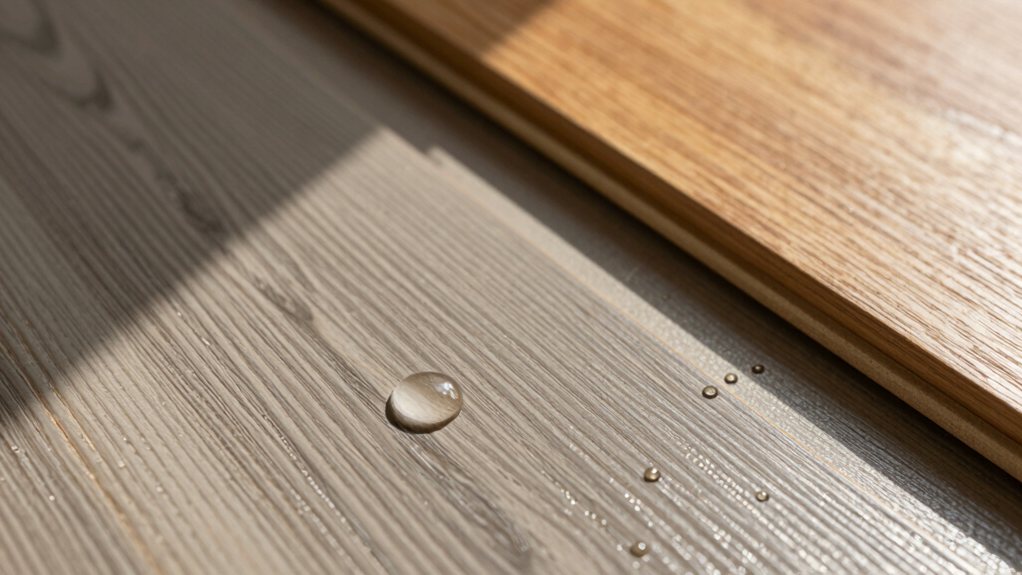
If you’re after the look of wood or stone floors without the hefty price tag, laminate flooring might be your budget-friendly champion. Its photo-realistic layer offers convincing oak or slate looks, often with embossed textures for a surprisingly authentic feel.
While many modern options are water-resistant laminate, it’s essential to remember that standard versions hate prolonged moisture, so keep those mops damp and avoid bathrooms. It installs easily as a floating floor, but if a plank gets damaged, you can’t sand it—you just replace it.
With proper care, your durable, budget-friendly floor can last decades, giving you beautiful style without soaking your wallet. Just don’t let spills soak the floor. Also, check substrate moisture and follow moisture testing and manufacturer prep guidelines before installation.
So, you’re ready to roll up your sleeves and tackle a flooring project yourself?
For the easiest DIY experience, you’ll want to look at Laminate or luxury vinyl plank.
Vinyl flooring comes in super-friendly click-lock or peel-and-stick styles, often installing faster than other options.
Laminate most DIY‑friendly planks simply click together over your existing floor, needing no glue or nails.
Engineered wood floors offer more flexibility—they can be floated, glued, or nailed—but they require more skill and acclimation time.
Solid hardwood is the most complex, usually demanding professional installation.
For the simplest project with minimal tools and frustration, stick with click‑lock laminate or floating vinyl plank.
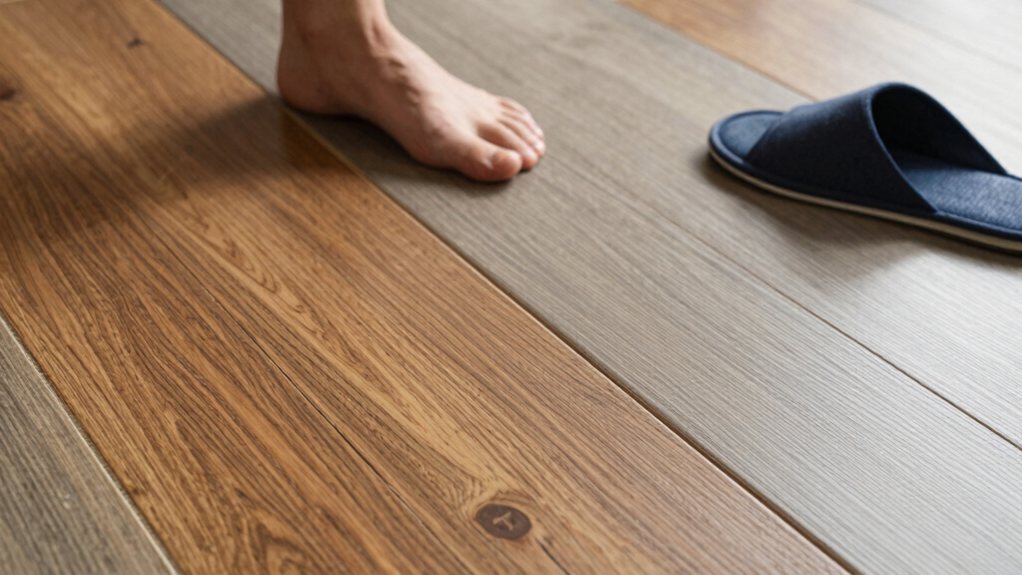
Now that you’ve weighed the pros and cons of warmth and comfort, it’s time to get down to the nitty-gritty and match your biggest priorities with the perfect floor.
If your best choice needs to handle water, like in a bathroom, LVP is your hero. For a forever home where you want timeless value, hardwood and engineered hardwood are unbeatable—they last for decades.
LVP excels against water, while hardwood and engineered hardwood offer timeless, lasting value for your forever home.
On a tight budget, laminate gives you great looks without the splurge. Think about your daily life, too. Busy with kids and pets? Tough laminate or LVP will keep you smiling.
There’s no single winner, just the right floor for *your* story. So, pick your top priority, trust the facts, and step forward with confidence!
So, you’ve got your head spinning with choices, haven’t you? Here’s the simple truth: there’s no single “best” floor for everyone. If you crave timeless beauty and can handle the upkeep, hardwood’s your winner. Want a tough, waterproof champ for busy spaces? Pick LVP. If you’re on a tight budget and just need a great look in a dry room, laminate is a solid friend. Just match the floor to your life, and you’ll be happy.