Phone:
(701)814-6992
Physical address:
6296 Donnelly Plaza
Ratkeville, Bahamas.

Phone:
(701)814-6992
Physical address:
6296 Donnelly Plaza
Ratkeville, Bahamas.
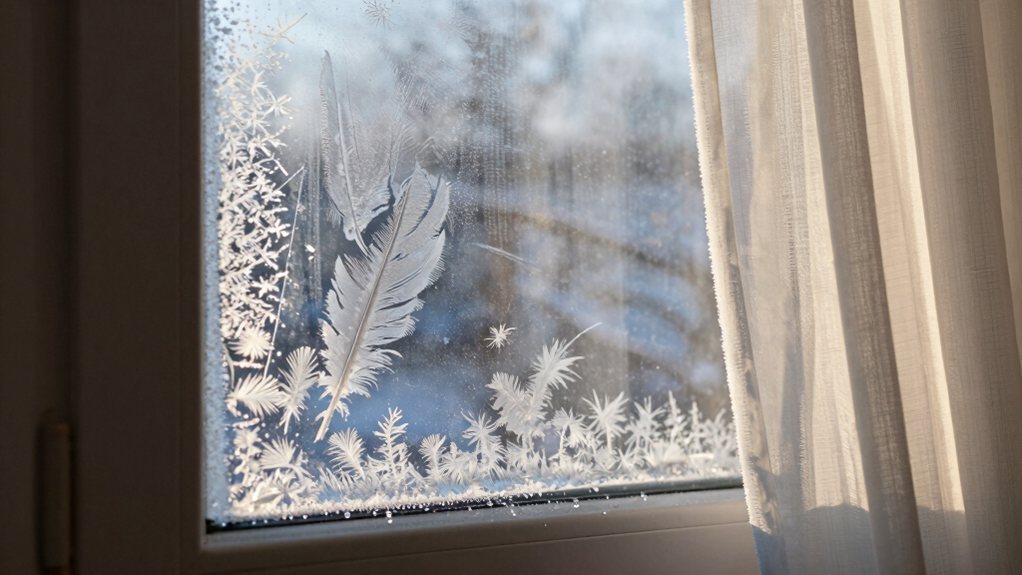
Worried about high bills and cold drafts? Discover the key signs of poor insulation and simple tests you can
If your energy bills keep climbing for no reason, you’re fighting cold drafts, or your HVAC system just won’t quit, your home might be under-insulated. You can do a quick check on a chilly day by feeling for cold spots on your walls or using incense to spot sneaky drafts. There’s more to discover about easy fixes and what a pro assessment can show you.
Table of Contents
Have you ever felt like your home is constantly fighting the weather outside? Your first clue is often your wallet. If you see a steady 15–20% jump in your heating or cooling bills with no clear reason, high energy bills are a classic sign of insulation problems.
Inside, uneven temperatures between rooms or cold spots on walls and floors mean heat is escaping unevenly. If your HVAC system runs non-stop but never quite gets comfortable, that’s another red flag.
Feel drafts around outlets? That’s air leakage. Check your attic insulation; if it looks thin or settled, it’s not doing its job.
Finally, ice dams on your roof in winter scream that warm air is leaking out and melting snow from underneath. Replacing worn seals and installing weatherstripping around exterior doors can reduce drafts and improve insulation.
1. It Gets Damaged or Wears Out: Over 10–20 years, materials settle or get flattened by pests and moisture, silently robbing their R‑value.
2. Air Leaks Bypass It Completely: Gaps around rim joists, wiring, and in crawl spaces let drafts through.
Without proper insulation and air sealing, even great insulation can’t stop heat loss—something thermal imaging cameras clearly reveal.
3. Installation Was Flawed: Gaps, compression, or thermal bridges during installation create hidden highways for heat to escape, driving up your energy costs.
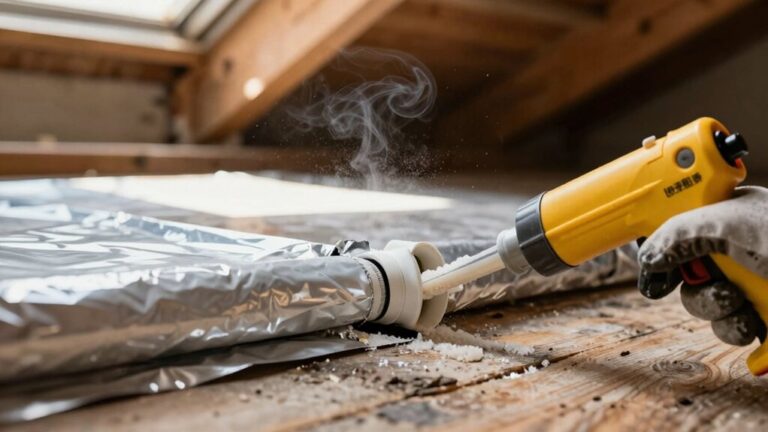
Addressing these often requires professional fixes like foam insulation for air leaks or injection foam for empty wall cavities. You can quickly locate insulation gaps using a thermal imaging camera to visualize temperature differences.
Rolling up your sleeves and doing a simple DIY insulation check is a smart way to spot problems before they balloon your energy bill.
Start by comparing your monthly energy consumption to last year’s; a big spike can mean your home insulation is failing.
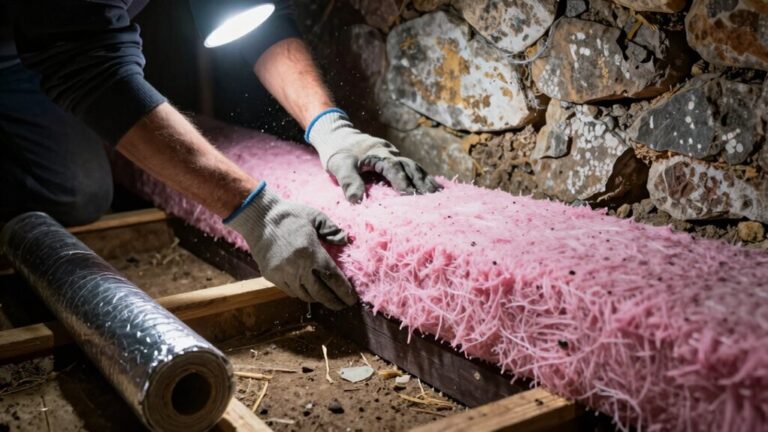
On a chilly day, feel walls or floors and ceilings—if they feel cold, heat is escaping. Check your attic and crawl space for thin, compressed, or missing material.
Drafts are a major clue. Hold a lit incense stick near outlets and around windows; watch for air movement, a sure sign of a poorly insulated home. Finding these issues isn’t fun, but it guides your next insulation upgrades perfectly. Also inspect the attic and crawl space for signs of compressed insulation or moisture, which can significantly reduce insulation effectiveness.
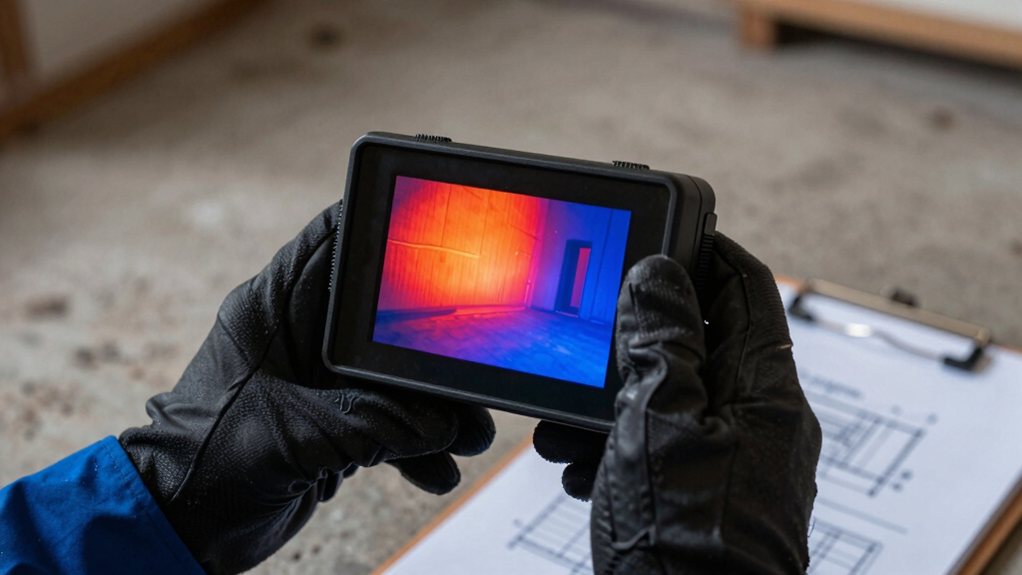
While your own DIY checks are a great start, when you’re ready to bring in the pros for a thorough insulation assessment, you can expect a detailed, high-tech look at your home’s hidden energy leaks.
The professional will inspect everything from your attic down to your rim joists.
Here’s what makes it so valuable:
Once you’ve got that professional assessment in hand, you’re probably wondering what your actual options look like and what they might cost.
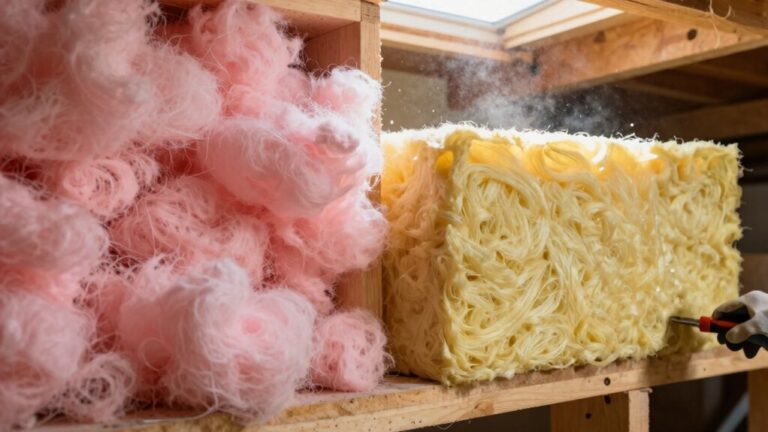
For attics, blown-in attic insulation is a superstar, boosting your R‑value fast to slash heating and cooling bills.
To fix wall cavities without demolition, no‑demo injection foam seals pesky air leaks, making your home feel cozy and draft-free. These modern solutions tackle that inadequate insulation head-on, transforming your space into a well-insulated home.
While upfront costs vary, proper upgrades typically cut your energy use by 20–30%, saving you hundreds yearly. Think of it as giving your overworked HVAC system a much-deserved vacation. Most projects pay for themselves in just a few years, making the investment a smart move for your wallet and comfort.
You’ve now got the clues to spot an under-insulated home and the steps to fix it. Remember, ignoring those drafts and high bills is like leaving money, and warmth, right out the window. Tackling your insulation is a smart move for your comfort and your wallet, so don’t put it off. It’s a project that pays you back for years to come, making your home a true cozy haven.